What you need to know about Bulgarian culture: useful tips
In Bulgaria, they sometimes use different gestures than you are used to in Western Europe. For instance, they shake no when they mean yes and nod yes when they mean no.
This can of course be very confusing, but fortunately most Bulgarians are aware of this and often use Western European customs as well.
To avoid confusion, it is advisable to say what you mean. Yes is да, which is pronounced ‘Da’. No is ‘Ne’ (Не in Cyrillic) pronounced with a short e (like in ‘wet’).
You should also know that they use a different alphabet, namely Cyrillic. This can be tricky to read, but if you are in Bulgaria for a longer period of time you will find that it gets better and better.
Bulgarians are generally known as hospitable and helpful people. We personally experienced this when, for instance, we were working in the garden or in the street and the neighbours come to help or come with advice.
We have also received gifts from people in the neighbourhood from the first day we lived in Bulgaria, such as bottles of wine, Easter eggs, pieces of meat from the bbq and much more.
They think it is important that as a foreigner you feel immediately welcome and that you participate in society.
And finally, coffee. Coffee is important in Bulgaria and it shows in the coffee machines on every street corner. Bulgarians often take a very long time over their coffee, so they actually drink it cold.
If you order coffee on a terrace, bear in mind that you will be served a small cup of espresso when you order a coffee. And oh yes, don't be surprised if you get three (!) bags of sugar with your coffee or tea, because Bulgarians love sweet.
What is special about the Bulgarian culture? Examples of traditions
Bulgaria has a beautiful culture. This includes many traditions, holidays, dishes and costumes.
Bulgaria is full of traditions, including influences from Greek, Turkish and other Slavic cultures.
Rose production is large in Bulgaria. No less than 70% of all roses produced annually come from Bulgaria!
A lot of rose oil is also made, which is used in perfumes, among other things.
Music in particular is an important part of Bulgarian culture. Bulgarian folk music is known all over the world and even dates back to the Middle Ages. The rhythms, harmonies and traditional instruments, such as the kaval (a flute), the gadulka (a violin) and the tambura (stringed instrument), ensure that the music is internationally known and is still used for Bulgarian folk dances and celebrations.
In this video, you will hear a combination between traditional and modern Bulgarian music, with images of typical Bulgarian cultural features:
An example of a tradition is Thracian fire dancing. This is even recognized as cultural heritage by UNESCO.
The most famous fire dance festival is in the village of Bulgari.
Another important tradition is the Kukeri festival ‘‘Starchevata’’. This is an age-old tradition of men in elaborate costumes (Kukeri) dancing or walking through the streets with large bells to scare away evil forces and evil spirits. This is mainly done on New Year's Day and Easter.
This tradition dates back to the time of the Thracians and is still an important ritual in Bulgaria today. Especially in Razlog, this is a big party that attracts people from all over the region on New Year's Day.
Bulgarian folk costume

In addition, the Bulgarian traditional costume is an important characteristic of the culture. In Bulgaria there are often folklore festivals, where people dance in old Bulgarian costumes.
Bulgarian costume, known as ‘nosia’, is a colourful and diverse representation of the country's regional identity and cultural heritage.
This traditional dress varies greatly from region to region, but generally includes colourful robes decorated with embroidery, lace, beads and other ornaments.
For women, the costume often consists of a long, wide dress called a ‘kaba’, while men traditionally wear a white shirt, a vest, a woollen jacket called a ‘sherwal’, and white or black trousers.
Besides their aesthetic value, these costumes also have deep symbolic meaning, often linked to Bulgaria's agricultural and religious traditions. Although less commonly worn in everyday life, they remain an important symbol of national pride and heritage.
The 3 most important holidays in Bansko
In addition to traditions, Bulgaria is full of traditional holidays. Think of New Year's Day, Christmas and Bulgarian Independence Day. But there are many more.
Below we highlight the three most important holidays in the Bansko region.
1. New Year's Day: the Kukeri Festival
Earlier in this article we of course already talked about the Kukeri festival. This is one of the most important traditions in the Razlog Valley.
This festival is called Starchevata and is always a big party.
Just like in other countries, New Year's Day is an important holiday when children and many adults have time off from school and work.
There are festivals, folk dances and other local traditions.
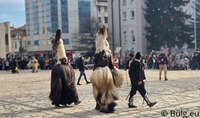
In Bansko and Razlog this is the Kukeri festival, which means that men in traditional clothing walk through the streets with bells on their belts to chase away evil spirits.
This is a huge celebration, especially in Razlog, attracting visitors from all over Bulgaria. This parade is more authentic than the one in Bansko.
2. Bulgarian Independence Day
Bulgarian Independence Day (den na ozvoboszhdenieto in Bulgarian) is, as you would expect, a big celebration in Bulgaria.
On this day (September 22), Bulgarians celebrate the country's independence from the Ottomans in 1908. The president raises the Bulgarian flag at the Monument of the Unknown Soldier in Sofia and there are events, concerts and parades throughout the country.
In Dobrinishte, this day always commemorates the liberation of the city. September 22nd is always a festive day in Dobrinishte, with a grand celebration featuring music, Bulgarian traditional costumes, dance, and delicious food.
3. St. George Day
St. George Day is an important public holiday in Bulgaria celebrated every year on May 6. Almost everyone is off on this day and military parades and ceremonies take place throughout the country. It is also a cheerful festival everywhere with lots of music, dancing and roasting lamb.
Many terraces are full on this day and Bulgarians welcome their relatives to eat together.
St. George was the patron saint of the Bulgarian army and stood for courage. He is also seen as a protector of the shepherds and their livestock.
He is an important figure in Bulgaria, which is also reflected in the many buildings and churches named after him.
This is celebrated not only in Bulgaria, but also in countries such as Romania, Croatia, Serbia, Cyprus and Greece.
See below the stunning footage of the St George feast in Dobrinishte in 2025, where this day is always celebrated in a big way in the central square.
Discover the flavors of Bulgarian cuisine
Bulgarian cuisine reflects the country's rich agricultural traditions and has influences from the Balkans, the Mediterranean, and Ottoman cuisine. It's a delicious combination of meat, dairy products, vegetables, and herbs.
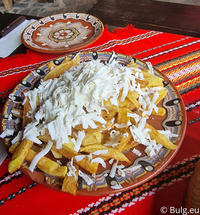
Bulgaria is primarily known for its yogurt. Yogurt is produced throughout the country. Think, for example, of the village of Momchilovtsi, from which a Chinese yogurt brand takes its name.
What's also typical of the Balkans is that people eat bread with everything. For example, dipping a roll in soup or with meat.
Bulgarian culture: one of the richest in Europe?
When we examine Bulgaria's rich culture, we can't help but be impressed by the profound influences that have shaped it over the centuries. From traditional music and dance to colorful festivals and delicious cuisine, Bulgaria has a unique charm that continues to surprise visitors.
With its rich history, vibrant traditions, and hospitable people, Bulgaria offers an unforgettable experience for travelers seeking a deeper connection with the world around them.
So, what are you waiting for? Come to Bulgaria and be amazed by its diverse culture and traditions!
Discover local traditions
Dive deeper into Bulgarian culture!
Discover the most beautiful festivals, folklore, and events in Bansko and the surrounding area.